
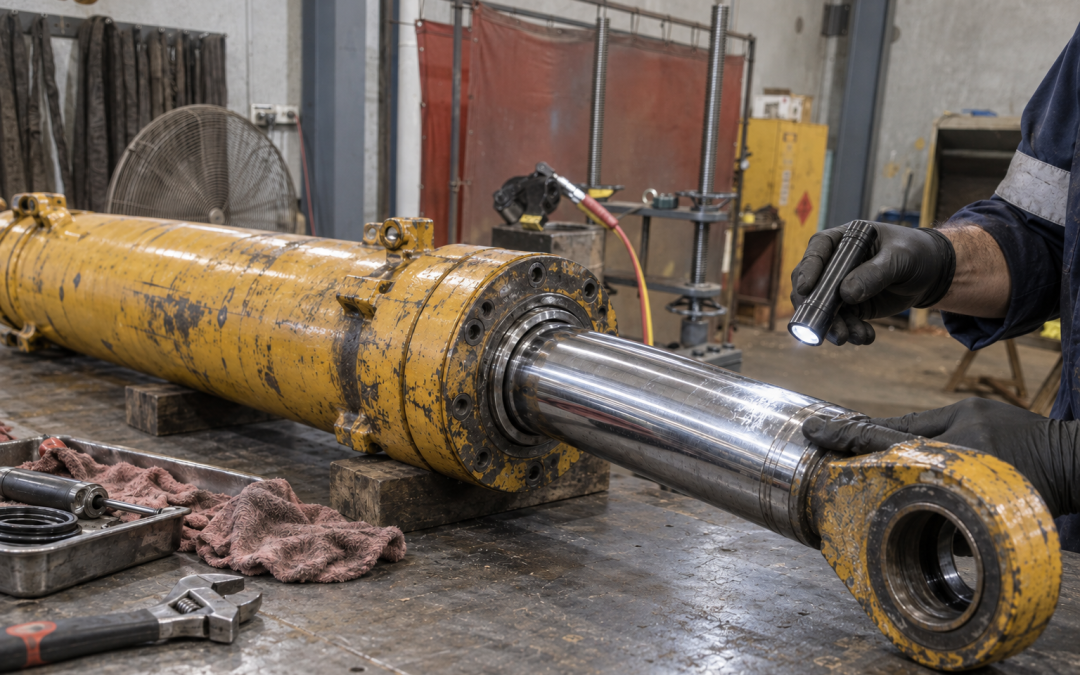
Excavator hydraulic cylinders work under high pressure and demanding conditions. Boom, arm and bucket cylinders are exposed to heavy loads, vibration, dirt, moisture and repeated movement throughout the working day. When a cylinder begins to fail, the early signs may appear minor. A small oil leak, slower movement or damaged piston rod can quickly develop into expensive downtime if ignored. Regular inspections help identify excavator hydraulic cylinder problems before they affect productivity or create safety risks.
For equipment owners arranging hydraulic cylinder repairs in WA, it helps to record what has changed, where the problem appears and whether the machine has been involved in an impact or attachment change. Matchtec Hydraulic & Mechanical Services provides hydraulic cylinder repairs, refurbishment, manufacture and testing from its Landsdale workshop.
Understand the common warning signs
Oil around the rod seal, gland, hose connection or cylinder body is one of the most common warning signs. Leaks may be caused by worn seals, scratched piston rods, loose fittings, damaged hoses, excessive pressure or contaminated hydraulic oil. Even a small leak should be investigated because continued operation can allow contamination into the cylinder and cause further internal wear.
Other warning signs include slow or uneven movement, jerking, unusual noises, reduced lifting performance and a cylinder that drifts while the controls are not being operated. Similar symptoms can arise from different parts of the hydraulic system, so an observation does not by itself prove that the cylinder is the source of the fault.
Inspect the exposed piston rod
Inspect the exposed rod for scratches, corrosion, pitting, bends, chrome damage and uneven wear. The rod surface passes through the seals on every cycle, so damage can quickly turn into an external leak. A rod may be repairable through machining or rechroming, while more severe damage may require replacement. The appropriate option depends on the measurements, material condition and requirements of the machine.
Do not use your hands to search for hydraulic leaks. High-pressure fluid can penetrate the skin and cause serious injury. Keep the machine safely stopped and follow the site’s isolation and inspection procedures.
Check the cylinder body and mounting points
Look over the barrel, gland, welds, mounting eyes and surrounding structure for dents, cracks, corrosion, impact marks or signs of movement. Inspect pins, bushes, retaining hardware and cylinder mounts for excessive play or wear. A worn mounting connection can affect alignment and place unintended side loads on the rod and seals.
A new cylinder may not resolve a problem that originates in the machine-side mounting or linkage. Tell the repairer about previous cylinder replacements, attachment changes, structural repairs or repeated work at the same joint. The cylinder and its installation should be considered together during the investigation, while the diagnosis remains with the competent people assessing the equipment.
Observe cylinder movement safely
During a controlled test, note whether the cylinder extends and retracts smoothly and consistently. Record any delayed movement, jerking, unusual noise, loss of power or drift. Cylinder drift occurs when the boom, arm or bucket slowly moves even though no hydraulic command is being given. Possible causes include internal seal failure, hydraulic valve leakage, damaged piston seals, scored barrel surfaces or loss of pressure.
If a load is not holding, movement appears unsafe or a connection is damaged, stop the equipment and keep people clear. A stopped engine does not by itself remove stored hydraulic energy or the weight carried by a boom, arm or attachment. Removing pins, supporting components and testing hydraulic systems require competent personnel and suitable equipment.
Arrange pressure and isolation testing
When a visual inspection does not identify the cause, pressure testing and isolation testing can help distinguish a cylinder fault from a problem with the pump, control valve, hoses or another part of the hydraulic system. Accurate diagnosis helps avoid replacing a serviceable component and supports a repair scope based on evidence.
Ask whether the proposed work includes inspection of the rod, barrel, seals, piston, mounting points and related components. Clarify whether the recommendation is for seal replacement, refurbishment, component repair, manufacture or full replacement. This makes the quotation easier to understand and helps the workshop and equipment owner agree on the actual job.
Use measurements for repair decisions
A worn or damaged component should not automatically be used as the specification for its replacement. Its current dimensions may no longer represent the intended fit. The same applies to rods, bushes, pins, barrels and mounting housings. The repairer needs suitable reference information and measurements to determine what is required.
Provide the machine make, model, cylinder location, available drawings or part numbers and photographs taken when the equipment is safely stopped. Keep removed parts identified so the workshop knows which position they came from. A fleet may contain several similar cylinders, and an unlabelled component can create avoidable confusion.
Prevent repeat excavator cylinder failures
Operators can reduce the likelihood of hydraulic cylinder problems by inspecting cylinders regularly, keeping exposed rods clean, repairing leaks early, maintaining clean hydraulic oil and replacing filters according to the machinery manufacturer’s recommendations. Pins, bushes and mounting hardware should also be checked because misalignment and side loading can accelerate wear.
Do not treat added grease as a repair for excessive clearance, damaged surfaces or a leaking seal. Follow the machinery and component manufacturer’s maintenance instructions. Where the correct procedure is uncertain, arrange an assessment before returning the machine to normal work.
Chrome depth on the rod is critical, it may look like it still has chrome on it and appear shiny, but the chrome layer is only a few thou deep and can affect the sealing surface
Cylinder operating in tandem with 1 cylinder that is leaking or bypassing over time will fatigue the partner cylinder far quicker as it then becomes the primary, oil follows the path of least resistance and the cylinder that is still functioning correctly will fail prematurely.
Frequently asked questions
What are the most common excavator hydraulic cylinder problems?
Common problems include external oil leaks, damaged piston rods, worn seals, internal leakage, cylinder drift, slow or uneven movement, damaged mounting points and barrel wear. The same symptom can have more than one cause, so testing may be needed before repairs begin.
Can I keep using an excavator with a small hydraulic leak?
A small leak should not be ignored. Continued operation may worsen seal, rod or barrel damage and can introduce contamination into the hydraulic system. Follow the site’s isolation and reporting procedure and arrange an inspection by a qualified technician.
Does cylinder drift always mean the cylinder needs rebuilding?
No. Drift may originate from the cylinder, a control valve or another part of the hydraulic circuit. Pressure and isolation testing can help identify the source before a repair or rebuild is approved.
Can a damaged excavator cylinder be repaired?
Many cylinders can be repaired or rebuilt when the main components remain serviceable. The work may include seal replacement, rod repair, barrel inspection, honing, wear-band replacement and pressure testing. The recommended scope depends on the inspection findings.
What information should I provide when requesting a quote?
Provide the machine make and model, cylinder location, symptoms, photographs, part numbers, drawings if available and details of previous repairs or impacts. This information helps the repairer assess the job and identify the correct components.
Discuss excavator hydraulic cylinder repairs with Matchtec
For excavator hydraulic cylinder repairs in WA, contact Matchtec with your machine details, cylinder location and the symptoms reported. The workshop is at Unit 1, 21 Fallon Road, Landsdale WA 6065. Call 08 9303 2956 or contact Matchtec to discuss the assessment and next steps.
