
Well-planned maintenance protects accuracy, reliability and the service life of critical industrial components. This article explains the practical questions to consider before making a decision and how early professional advice can help avoid unnecessary cost, disruption or compromised results.
Small changes can have major consequences
Industrial equipment often depends on components that operate within precise tolerances. Wear, vibration, corrosion, heat and repeated load cycles can gradually affect those components long before a machine stops completely. Precision engineering maintenance is valuable because it identifies and addresses changes while there is still time to plan work, rather than waiting for a failure that disrupts production, safety or delivery commitments.
Maintenance should focus on condition, not assumptions
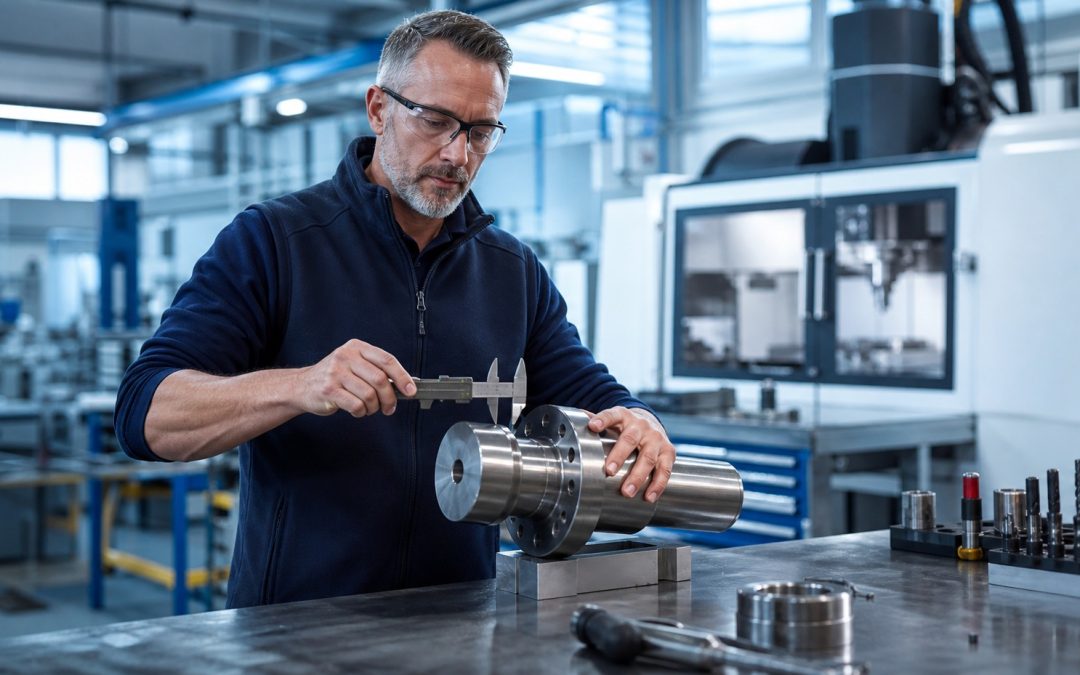
A component may look acceptable from the outside while experiencing wear that affects fit, alignment or performance. Inspection can include measurements, visual assessment, material condition, surface wear and the way the part interacts with related equipment. The aim is to understand the condition of the component and its role in the broader machine. This supports an informed decision about repair, machining, replacement or continued monitoring.
- Component condition and operating environment
- Measurements, drawings and service history
- Planned maintenance opportunities
Accuracy supports reliable operation
When a shaft, bush, housing, bracket or fabricated component is no longer within the required tolerance, the effects can spread through the machine. Increased vibration, uneven loading, leakage, heat and accelerated wear can follow. Timely engineering attention can restore fit and function before secondary damage develops. It also gives maintenance teams a better record of what has changed and why the work was required.
Plan work around production where possible
Unplanned downtime is often more disruptive than planned maintenance. By identifying components that show early signs of wear, businesses can schedule repair or replacement around shutdowns, quieter periods or known service windows. This makes it easier to order materials, coordinate labour and minimise disruption. A documented maintenance approach turns individual repairs into a more predictable asset-management process.
Work with a provider who understands the application
The right engineering solution depends on how the component is used, what loads it carries and what conditions it operates in. Providing drawings, photos, dimensions, machine details and a clear description of the issue helps the engineering team assess the requirement. Good communication supports practical recommendations that fit the machine, the production environment and the business priorities. It also helps confirm whether a repair will deliver the required reliability or whether a replacement component should be considered as part of the maintenance plan.
Questions to ask before you proceed
Before making a decision about precision engineering maintenance, ask for an explanation of the recommended work, the alternatives available, the expected timing and any ongoing care or maintenance that will be needed. A clear discussion should also identify what is included, what conditions may affect the final scope and what information the provider needs from you. These questions make it easier to compare options on value and suitability rather than price alone.
A practical plan produces a better result
The strongest outcomes are usually the result of preparation. Record the issue or goal, collect the relevant measurements or history, identify your priorities and arrange an assessment before the problem becomes urgent. This approach gives everyone involved a clearer starting point and reduces decisions made under pressure. It also makes it easier to choose a solution that will remain useful after the immediate job has been completed.
How to prepare for a professional assessment
Preparation helps make a consultation about precision engineering maintenance more productive. Bring together photos, measurements, relevant documents, product details, service history or examples of the result you want. Be ready to explain what has changed, what has already been tried and which outcome matters most. This lets the provider focus on the real requirement rather than spend the first stage of the appointment finding basic information. It also supports a more accurate recommendation and clearer expectations about scope, timing and the work involved.
Protect the result over time
The work does not end when the immediate job is finished. Follow any operating, cleaning, servicing or maintenance advice that applies to the product, system or space. Keep a simple record of work completed and note changes in performance, appearance or use. This makes future maintenance more straightforward and helps small issues be addressed early. Long-term value comes from choosing the right solution at the start and then giving it the appropriate attention over its working life.
Avoid decisions made under pressure
Urgency can make any problem feel as though there is only one option. Where circumstances allow, pause long enough to understand the issue, compare the practical alternatives and confirm the likely consequences of delaying or proceeding. This does not mean overcomplicating a simple job. It means making sure the recommended solution addresses the underlying requirement, not only the most visible symptom. A short, well-informed conversation at the start often prevents rework, confusion and avoidable expense later.
The value of clear communication
Clear communication keeps a project, repair or service moving in the right direction. Confirm the preferred contact person, access requirements, timing constraints and the best way to receive updates. Ask questions as soon as something is unclear and keep important details in writing where possible. This creates a shared record of the agreed outcome and helps the provider coordinate the work efficiently. It also gives the customer confidence that the work is being managed with care from the first enquiry through to completion.
Explore Matchtec’s hydraulic services or contact the team on 08 9303 2956 to discuss your equipment and maintenance requirements.
