
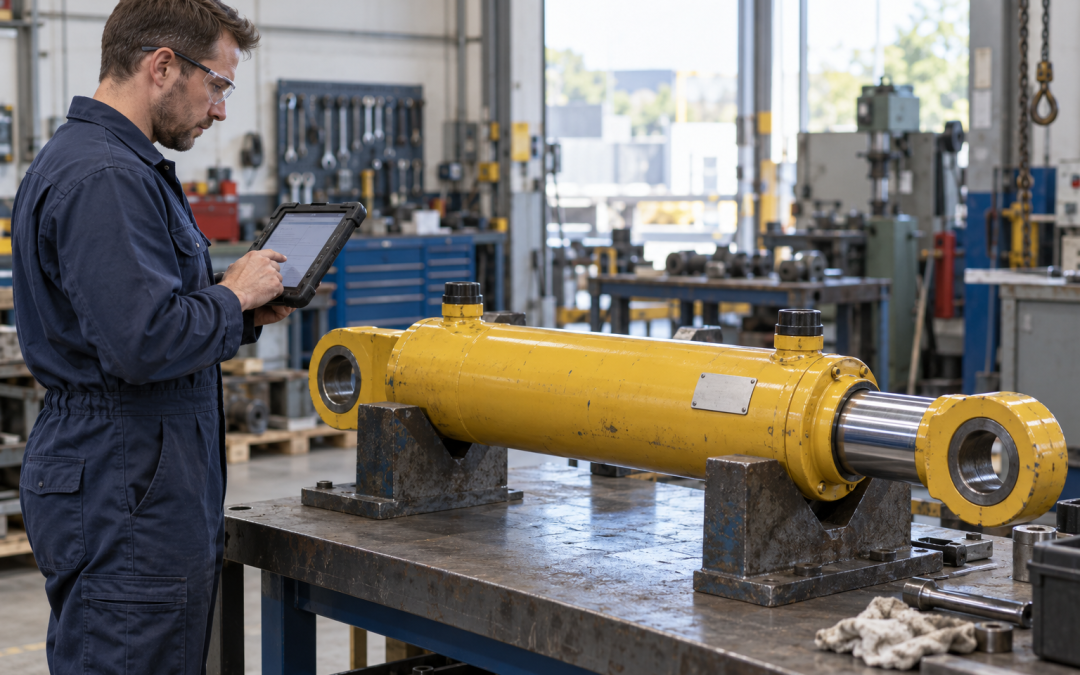
When a cylinder returns from a workshop, the immediate priority is usually getting the machine back into service. The information accompanying that repair can be just as valuable over the longer term. A clear record helps the next person understand which cylinder was worked on, what was found and what decisions were made.
For fleet owners and maintenance teams arranging hydraulic cylinder servicing in WA, useful records connect the workshop job with the asset’s working history. They support informed maintenance decisions without pretending that paperwork can predict every failure. Here is how to make that information easier to collect, understand and use.
Give the cylinder an identity that stays with it
A machine number alone may not identify a particular cylinder. Equipment can have several similar assemblies, and a cylinder may move between machines during its working life. Record both the machine reference and the available cylinder identification, including its function or position on the machine.
Where a workshop allocates its own job or component number, link that reference to your internal asset record. Keep the relationship clear when a refurbished spare is fitted and another assembly goes away for assessment. Otherwise, the history can accidentally follow the machine while the actual component moves elsewhere.
At Matchtec, cylinders received for repair are photographed and allocated a unique identification number in the digital workshop management system. Its published process keeps the component traceable through refurbishment and for the life of the asset. That provides a useful reference for later enquiries.
Record what happened before removal
The workshop receives a component, but your operators saw it in use. Capture their observations while the details are fresh. Note when the problem appeared, the task being performed and whether the behaviour was intermittent or consistent. Include relevant operating hours if they are available.
Use descriptions rather than assumed diagnoses. “Visible oil near the rod after operation” is more useful than “needs a seal kit” when the cause has not been assessed. Record recent repairs, unusual events and changes in operating conditions without deciding that one of them necessarily caused the fault.
Photographs can support the account when they can be taken safely. Do not ask an operator to approach a pressurised leak, remove guards or recreate an unsafe condition for a picture. Existing observations and records are enough to start the conversation.
Keep removal and transport information connected
Ask the responsible maintenance personnel to record the date of removal, the machine and cylinder references, and the parts sent with the assembly. Include the purchase order or workshop contact so the receiving team can match the delivery to the enquiry.
Agree on preparation and transport requirements with the workshop and carrier. The correct handling method depends on the assembly, its weight and condition. Loose accessories and paperwork should remain identifiable, with packaging arranged by people competent to prepare the load.
Removal is not an administrative task. Hydraulic equipment can retain hazardous energy, and suspended components or machine movement introduce further risks. WorkSafe WA’s isolation guidance stresses appropriate shutdown, isolation and control of stored energy before maintenance. Use competent personnel and the site’s procedures; a completed form does not make a cylinder safe to disconnect.
Understand the difference between findings and recommendations
A useful assessment explains what was observed and what work is proposed. Ask for enough detail to understand the decision: which components are serviceable, which require attention and where further work or information is needed.
Keep confirmed findings separate from possible contributing factors. Damage on a component may be established during inspection, while the operating condition that produced it may still require investigation at the machine. That distinction helps prevent an assumption becoming accepted history when the same record is read months later.
Matchtec’s hydraulic cylinder repair and refurbishment process includes inspection, measurement and photographs of components, followed by a quote and recommendations before work proceeds. Ask the team to clarify any finding that affects your maintenance or repair decision.
Make repair approval easy to follow
Record which quotation or revision was approved, who authorised it and the agreed scope. If further findings change the recommendation, keep the later approval connected to the same job. A short, dated decision trail is easier to understand than several disconnected email threads.
Include any decision to defer work, supply information later or request another option. State the reason accurately without implying that a deferred item was repaired. If manufacture or an improvement is considered, keep the relevant drawings and approvals with the job record.
This also helps when different people manage purchasing and maintenance. The purchasing team can see the authorised work, while the maintenance team can understand what the assembly will return with and what still needs attention.
Ask what the completion record demonstrates
Matchtec states that cylinders undergo documented quality-control testing before dispatch. When discussing the completed job, ask what records are available and what they show for the work carried out. Keep the repair and test information alongside the component’s identification.
Do not assume a workshop test certifies the condition of the whole machine. Reinstallation, associated components and the operating system remain separate considerations. The responsible site team should understand the relevant installation and return-to-service requirements before the equipment resumes work.
Record the return date, where the cylinder was fitted and any follow-up actions. If the component goes into spare stock, record that instead. Knowing whether an assembly is installed, stored or awaiting work avoids confusion during the next urgent requirement.
Use history to ask better maintenance questions
Review records when the same assembly returns repeatedly or when several cylinders show similar symptoms. Compare operating context, observed faults and confirmed findings. The aim is to identify a question worth investigating, not to declare a cause from a spreadsheet alone.
For example, repeated damage after similar duties may justify a discussion about the application, machine condition or maintenance practices. The workshop can explain its component findings, while site specialists consider the wider system. Keep both perspectives attached to the asset history.
A record is most useful when the next person can find it. Use a consistent folder or maintenance-system reference, retain the original reports and avoid overwriting previous jobs with the latest one. Restrict editing where appropriate so the history remains dependable.
Frequently asked questions
Do we need a complicated system for cylinder records?
No. A consistent asset reference, dated job history and accessible supporting documents are a useful starting point. The system should suit the fleet and be easy for the responsible team to maintain.
Should we identify the cylinder or just the machine?
Record both where possible. A cylinder can be exchanged or moved, so linking its own reference to the machine helps preserve the correct component history.
Does a repair report prove what caused the failure?
Not always. It may confirm the condition of inspected parts without establishing every contributing factor. Ask which conclusions are supported and whether the machine or application needs further investigation.
Can old records help with a new repair enquiry?
Yes. Previous job numbers, findings and available drawings can help the workshop understand the assembly. Send relevant information and explain any changes since the earlier work.
Discuss cylinder servicing with Matchtec
Matchtec Hydraulic and Mechanical Services supports WA customers from its Landsdale workshop. To discuss a cylinder assessment or the records for an existing job, contact Matchtec on 08 9303 2956. Have the cylinder identification, machine details and available history ready so the team can help you plan the next step.
